 Wildlife
of Korea
Sources & photo credits
Where the species list and photos come from.
About this guide
A growing, species-first field guide to the wildlife of South Korea: mammals, birds, reptiles and amphibians. This edition lists 667 species, 640 of them with photographs.
How the species list was built
Each group comes from an open reference list, checked against GBIF occurrence records for South Korea (retrieved September 2026):
- Mammals: species the Mammal Diversity Database lists for Korea, plus species with at least five GBIF records in South Korea.
- Birds: IOC World Bird List species with at least five GBIF records in South Korea.
- Reptiles: species whose Reptile Database range includes Korea, plus species with at least five GBIF records.
- Amphibians: species with at least five GBIF records in South Korea.
Species supported only by occurrence records, and not by a range list, are held back for a check by hand. Domestic animals, fossils and zoo records were left out. Common names follow the IOC list and the Mammal Diversity Database, then the other Wildlife of Everywhere guides, then Wikipedia article titles; where a species has no English name yet, its scientific name is shown.
Birds that turn up only occasionally, such as scarce migrants and vagrants, carry a Rare visitor label. The label is based on how often the species appears in GBIF records for the country (in how many years, and in which months), so treat it as a guide: a rare visitor can still be regular at the right place and season.
Conservation status
Status labels are South Korea's own national categories from the Korean Red List of Threatened Species, 2nd edition (National Institute of Biological Resources, 2015). They describe how threatened a species is within Korea, which can differ from its status worldwide. Only species that list assesses as threatened or extinct in Korea carry a label. Many species are also protected under South Korea's Wildlife Protection and Management Act.
Reference sources
- Mammal Diversity Database: mammal taxonomy and country ranges (CC BY 4.0)
- IOC World Bird List: bird names and taxonomy
- The Reptile Database: reptile taxonomy and distribution (via Catalogue of Life, CC BY 4.0)
- GBIF · South Korea: occurrence records used to check the lists
- National Institute of Biological Resources (2015). Korean Red List of Threatened Species, 2nd edition: conservation status labels
- Korea National Park Service: national parks and visitor information
- AviList: The Global Avian Checklist © 2026 by the AviList Core Team, licensed under CC BY 4.0: used to check current bird names and to note where it treats a species as a subspecies of another
mammalwatching.com

Mammal Watching (mammalwatching.com) is a community website for people who watch wild mammals, founded in 2005 by Jon Hall. It brings together trip reports, a directory of sites and guides, a forum, a global mammal checklist, a library of mammal sound recordings and gear advice. Its trip reports are a useful companion when planning where to look for a particular species.
The site includes many examples of how responsible mammal-watching tourism brings income to places with few other sources, giving local people a reason to protect wildlife. These include Brazil's Pantanal, where ranchers now earn more from jaguar tourism than from cattle, and visits that have helped fund research on mandrills in Gabon and spectacled bears in Ecuador. Sightings recorded by mammalwatchers have also documented range extensions, new country records and rediscoveries of "lost" species.
Trip reports
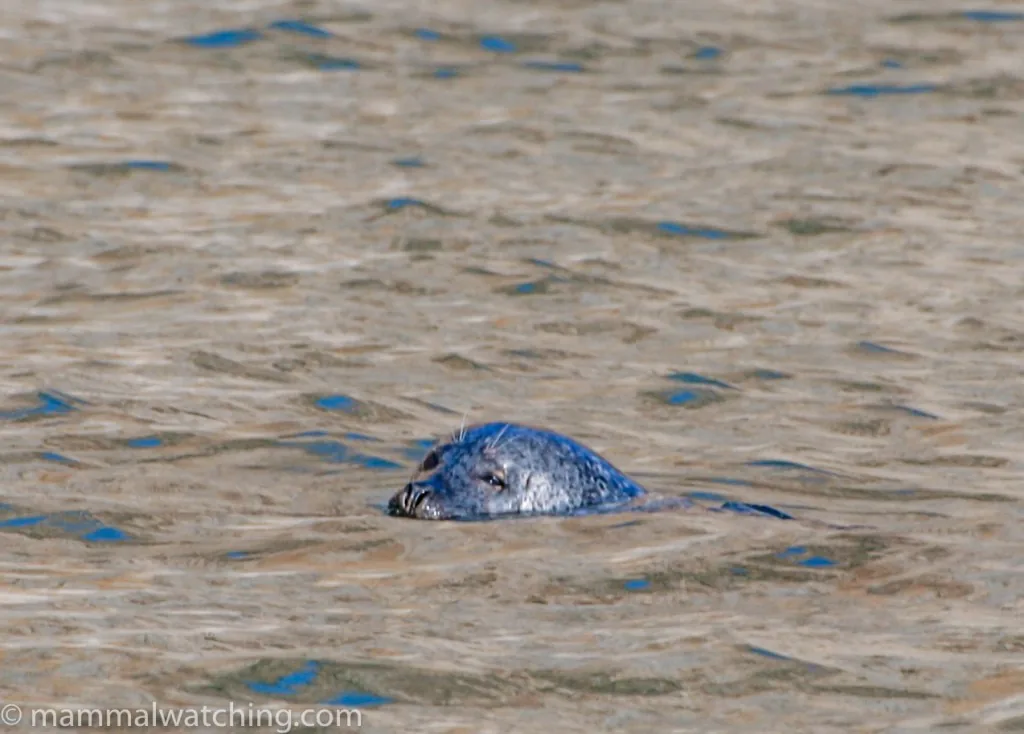
Field trip reports by Jon Hall of mammalwatching.com, with his photographs, reproduced in full. Photos by other people are credited to them and to mammalwatching.com.
Planning a visit
Park entry rules, trail reservations, fees and seasonal closures (many mountain trails close for spring and autumn fire-prevention periods) change often. Check with the Korea National Park Service or your operator before you travel rather than relying on the details here.
Wildlife sightings are never guaranteed. The species listed for each place are what is realistically possible there, not what you should expect on a given day.
Your plans and sightings
Your trip plan and sightings are saved in this browser, on this device only. We never see them. Clearing your browser data will clear them too, so download the PDF if you want a copy to keep. Email buttons open a draft in your mail app; nothing is sent until you send it.
Photo credits
Most photographs come from iNaturalist and Wikimedia Commons under CC0, CC BY or CC BY-SA licences; the rest were taken by the Wildlife of Everywhere team or are used with the photographer's permission. Each one keeps its photographer's name, licence and a link to the original.
Photographs are chosen to show the species clearly, so many were taken elsewhere in its range rather than in Korea. Tap the i on any photograph to see who took it. The full list is below.