 Wildlife
of Korea
Japanese Pipistrelle
Mammals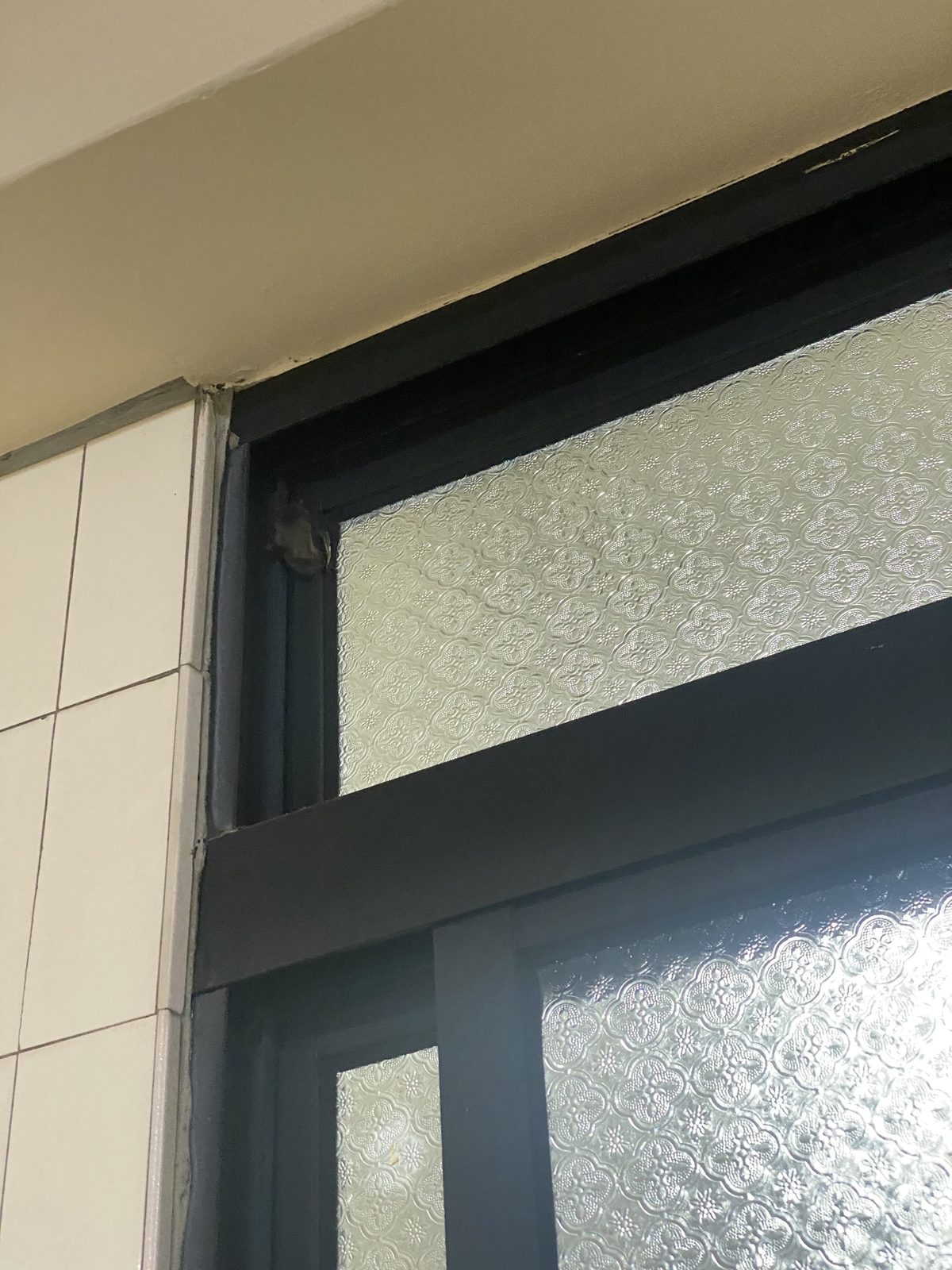
Photo: (c) tntchn, some rights reserved (CC BY) · CC-BY (May be cropped or resized)
Alionoctula abramus
Rare visitor: recorded only occasionally in this country
Basic stats
Diet
Beetles, caddisflies, flies, hymenopterans, moths and true bugs
Habitat
Roofs and ceiling spaces of older buildings
Range
East Asia, including the Korean Peninsula
Size
Body 3.6–4.8cm; tail 2.9–4.0cm; forearm 3.2–3.6cm
The Japanese pipistrelle, also called the Japanese house bat, is a small vesper bat. Adults have a body length of 3.6–4.8cm, a tail of 2.9–4.0cm and a forearm length of 3.2–3.6cm. The general species account identifies ceiling spaces and the interiors of roofs in older buildings as preferred roosts, bringing this bat into close association with human structures (Wikipedia, general species account).
This insect-eating bat takes beetles, caddisflies, true flies, hymenopterans, moths and true bugs. Its documented East Asian distribution runs from China and Taiwan through the Ussuri region and the Korean Peninsula to Japan (Wikipedia, general species account). Mammal Diversity Database records independently include both North and South Korea within the species' distribution (Mammal Diversity Database v2.4). The opened sources do not identify a reliable Korean viewing locality, so none is proposed here.
Quick answers
- What does the Japanese Pipistrelle eat?
- Beetles, caddisflies, flies, hymenopterans, moths and true bugs
- What habitat does the Japanese Pipistrelle live in?
- Roofs and ceiling spaces of older buildings
- Where is the Japanese Pipistrelle found?
- East Asia, including the Korean Peninsula
- How big is the Japanese Pipistrelle?
- Body 3.6–4.8cm; tail 2.9–4.0cm; forearm 3.2–3.6cm